What is LEAN? A Comprehensive Guide for Mid-Sized Manufacturing Businesses
LEAN is more than just a buzzword—it’s a game-changing approach that can revolutionize the way your manufacturing business operates. Originating from the Toyota Production System in Japan, LEAN is now a cornerstone of efficiency across industries, including healthcare, services, and software development. But what does LEAN mean for mid-sized manufacturing and product line businesses like yours? Let’s dive in.
Understanding LEAN: A Systematic Approach to Efficiency
LEAN is a systematic methodology aimed at improving the efficiency and effectiveness of your business processes. By eliminating waste, reducing costs, and maximizing value, LEAN helps you deliver exactly what your customers need, precisely when they need it—no more, no less.
Why LEAN Matters for Mid-Sized Manufacturing
In today’s competitive market, aligning your manufacturing process with customer demand is crucial. LEAN manufacturing puts the customer at the centre, allowing you to meet their needs efficiently while minimizing waste and maximizing value. For mid-sized businesses, this approach can lead to increased customer satisfaction, improved employee morale, and better shareholder returns.
Key Principles of LEAN for Your Business :
1. Value:
– The first step in LEAN is identifying what your customer truly values. Anything that doesn’t add value from their perspective is considered waste. By focusing on value, you can streamline your operations and deliver superior products.
2. Value Stream:
– Mapping out your entire process helps identify which steps add value and which don’t. Optimizing this value stream means eliminating non-value-adding steps, thereby reducing costs and improving efficiency.
3. Flow:
– Ensure that your value-added steps occur in a smooth, uninterrupted sequence. Eliminating bottlenecks and enhancing process efficiency creates a continuous flow, reducing delays and increasing productivity.
4. Pull:
– LEAN promotes a “pull” system, where production is driven by actual customer demand, not forecasts. This minimizes overproduction and excess inventory, saving you money and resources.
5. Perfection:
– LEAN is about striving for continuous improvement. Regularly reviewing and refining your operations ensures that you’re always finding new ways to eliminate waste and enhance value delivery.
Types of Waste in LEAN (Muda) : Understanding and eliminating waste is fundamental to LEAN. Here are the seven types of waste that could be lurking in your manufacturing processes, remembered by the acronym TIMWOOD:
1. Transport: Unnecessary movement of products or materials.
2. Inventory: Excess products or materials not being processed.
3. Motion: Unnecessary movement of people or equipment.
4. Waiting: Idle time waiting for the next step in the process.
5. Overproduction: Producing more than is needed or before it is needed.
6. Over processing: More work or higher quality than required by the customer.
7. Defects: Efforts caused by rework, scrap, or incorrect information.
The Power of Continuous Improvement in LEAN
One of the hallmarks of truly LEAN companies is their relentless focus on continuous improvement. While project-based changes are common, a LEAN environment fosters constant, incremental improvements. By quickly identifying and eliminating waste, you can achieve immediate gains and prevent losses before they occur. This proactive approach leads to the continuous refinement of your manufacturing processes, giving you a competitive edge.
Ready to Implement LEAN in Your Business?
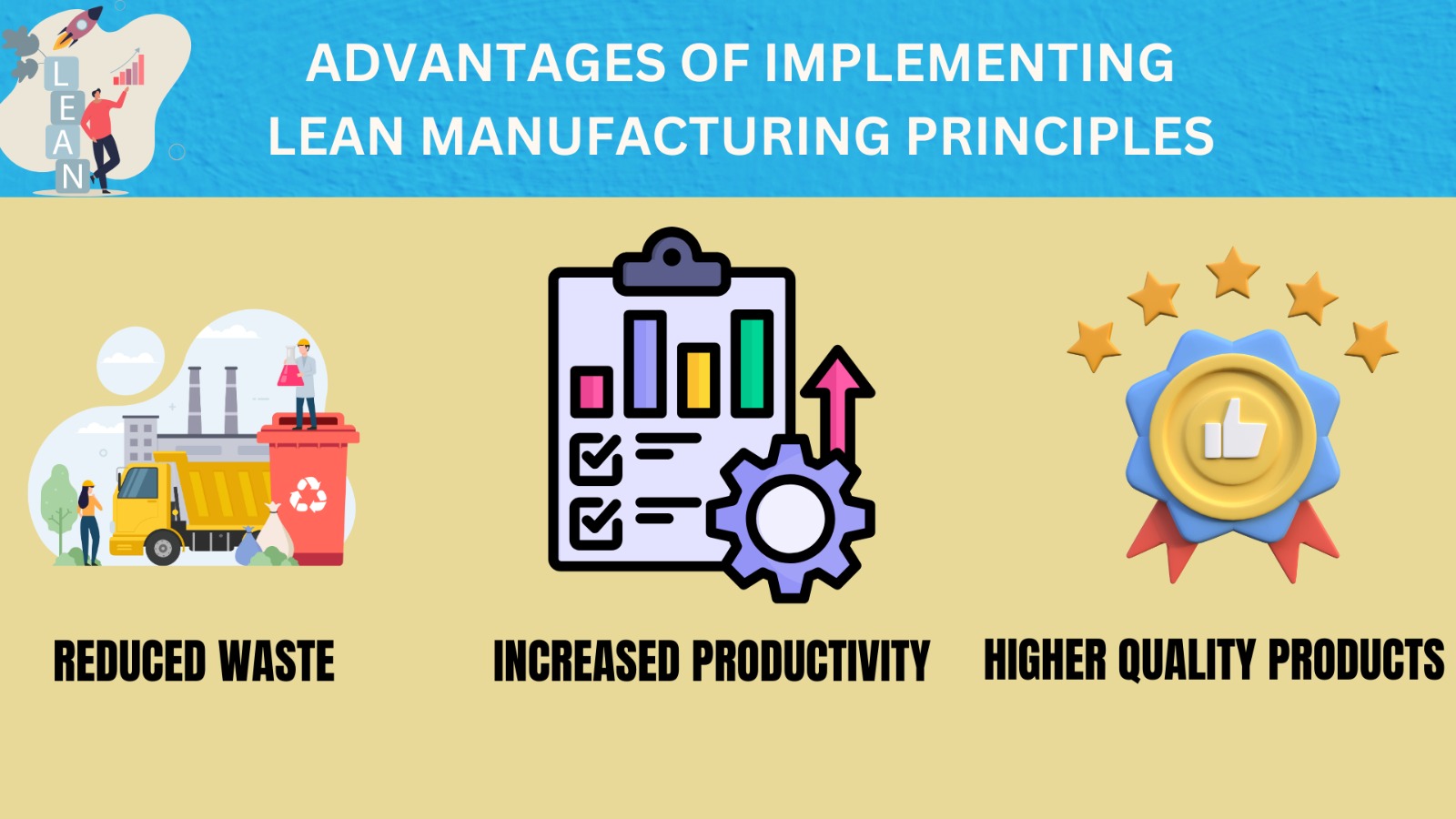
LEAN is a powerful methodology for mid-sized manufacturing and product line businesses aiming to enhance efficiency, reduce waste, and deliver higher value to customers. At BizTips Leap Consultancy, we specialize in helping companies like yours implement LEAN principles to achieve greater productivity, cost savings, and a stronger competitive position.
Take the Next Step: Contact us today to learn how we can help your business become LEAN and mean. Let’s work together to streamline your processes and drive your success.